Combo Culture: How Anime Fighting Games Crashed America's Esports Party and Never Left
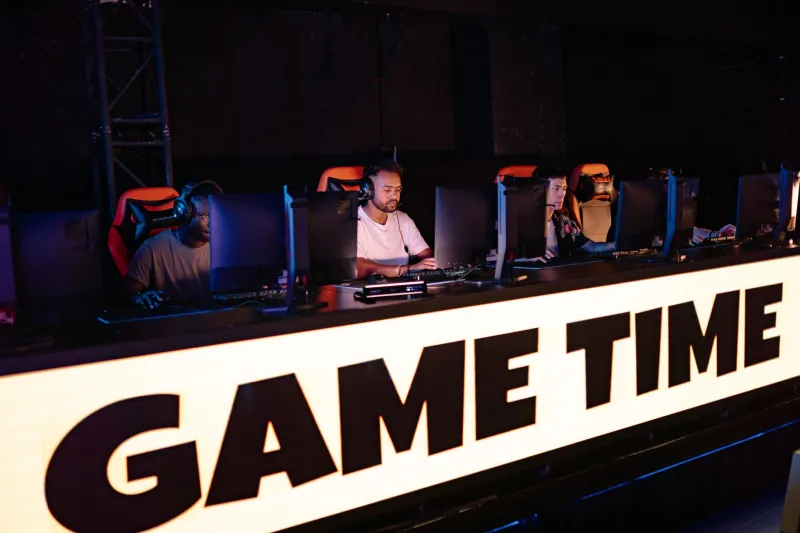
Not long ago, if you walked into a US fighting game tournament and said you were there to watch the Guilty Gear bracket, you'd get a polite nod and maybe a confused look. Anime fighters — a loose term for games like Guilty Gear Strive, BlazBlue, Dragon Ball FighterZ, and Granblue Fantasy Versus — were considered the weird cousins of the genre. Beloved by a devoted few, but way too niche to ever break through to mainstream competitive play.
That narrative is completely dead now.
Anime fighting games aren't just surviving in American esports spaces — they're thriving. Twitch viewership numbers for Guilty Gear Strive events have consistently rivaled traditional genre heavyweights. Local tournament scenes across cities like Chicago, Atlanta, and Los Angeles have dedicated anime fighter brackets drawing hundreds of entrants. And the players showing up aren't just longtime FGC veterans. A huge chunk of them are newcomers who got hooked through the games' characters, stories, and absolutely unhinged visual style.
So how did this happen? Let's break it down.
The Character Problem That Anime Games Actually Solved
Here's something competitive gaming spaces don't always love to admit: a lot of people pick up a fighting game because of a character, not because of frame data. They see a cool design, watch a trailer, fall in love with a backstory, and then — if the game is good enough — they stick around to actually learn the mechanics.
Traditional fighting games have characters, obviously. But anime fighters lean hard into the narrative and personality side of things in a way that feels genuinely different. Guilty Gear's roster reads like a fantasy rock band with superpowers. Granblue Fantasy Versus pulls from one of the most beloved JRPG universes in Japan and translates it into a fighter where every character feels like they belong on a collector's shelf as much as a tournament stage.
For American fans already deep into anime culture — people who grew up watching Naruto, got obsessed with My Hero Academia, or spent hours exploring JRPGs — that character-first approach felt immediately familiar and welcoming. The genre spoke their language before they'd even touched the training mode.
Strive Made It Click for a New Generation
If you want to point to a single release that turbocharged anime fighters in the American scene, Guilty Gear Strive in 2021 is the obvious candidate. Developer Arc System Works made a deliberate choice to streamline the game's notoriously complex systems, making it more accessible without gutting the depth that veteran players crave. The result was a game that casual fans could actually get into without feeling like they needed a PhD in frame data.
The visuals didn't hurt either. Strive looks like a playable anime in the most literal sense — fluid, gorgeous, and completely over the top in the best possible way. When clips started circulating on Twitter and TikTok of Strive's most dramatic moments, people who'd never touched a fighting game were stopping to watch. That kind of organic social media pull is basically impossible to manufacture, and Strive had it in spades.
Tournament organizers noticed almost immediately. Events that had previously given anime fighters a small side room started expanding those brackets, then moving them to main stage. The audience was there. The players were there. It just took the right game to make everyone realize it.
Community Builders Doing the Heavy Lifting
Big games help, but scenes are built by people. Across the US, a network of local tournament organizers, Discord server moderators, and content creators have spent years quietly cultivating anime fighting game communities that were ready to explode the moment mainstream attention arrived.
Anime conventions have been a surprisingly important pipeline here. Events like Anime Expo, Otakon, and smaller regional cons have long featured gaming rooms and tournaments. For a lot of younger players, that was their first exposure to competitive anime fighters — not at a traditional FGC event, but surrounded by people who already shared their passion for the broader anime and Japanese pop culture world.
That crossover between anime fandom and competitive gaming is something the traditional FGC didn't always know how to engage with. Anime fighter communities often did, because the games themselves existed at exactly that intersection.
The Aesthetic Advantage
There's also something worth saying about pure visual identity. Anime fighting games are striking to watch, even if you have no idea what's happening mechanically. The screen fills with color, effects, and character animations that look like they were ripped directly from a high-budget anime series. For streaming and content creation — the engines that drive modern esports growth — that watchability factor is enormously valuable.
Compare that to watching top-level play in certain traditional fighting games, which can sometimes look static or hard to read for uninitiated viewers. Anime fighters are almost never boring to look at. A well-executed super combo in Dragon Ball FighterZ is a legitimate spectacle. Clips spread. Audiences grow.
That aesthetic also ties directly into merchandise culture, which is something near and dear to anyone who frequents spaces like Akihabara Shop. Anime fighter characters generate serious collector interest — figures, art books, apparel, and accessories that let fans express their connection to a game the same way they'd express love for any other anime property. The line between "gaming fan" and "anime collector" barely exists in these communities.
Where Things Are Headed
The momentum behind anime fighting games in American competitive spaces doesn't look like it's slowing down. Arc System Works continues to support its titles with new characters and updates that keep communities engaged. Granblue Fantasy Versus: Rising brought new players into that ecosystem. And a new generation of titles from various developers is already in the pipeline, each one looking to capture some of that same crossover energy.
Perhaps most importantly, the players who discovered anime fighters through Strive or Dragon Ball FighterZ are getting better, getting more competitive, and sticking around. They're becoming the organizers, the content creators, and the veterans who'll introduce the next wave of newcomers to the genre.
What started as a niche corner of competitive gaming has become one of its most vibrant, welcoming, and visually spectacular spaces. For anyone who loves anime, Japanese gaming culture, or just wants to watch incredibly hype tournament moments — the anime fighter scene in America is absolutely worth paying attention to right now.
And if it gets you interested in picking up a figure of your favorite Guilty Gear character while you're at it? Well, we're definitely not going to complain about that.