Level Up: How Anime Gaming Quietly Conquered America and What Happens Next
Something happened around 2020 that nobody in the American gaming industry fully predicted, and the reverberations are still being felt today. Anime-style gaming — long considered a niche corner of the market populated by dedicated enthusiasts willing to navigate import menus and regional locks — broke wide open. Not gradually. Not incrementally. All at once, it seemed like half of America was rolling for characters in Genshin Impact, theorycrafting Honkai: Star Rail team compositions on Reddit, and buying Lumine and Paimon plushies faster than manufacturers could produce them.
The numbers are staggering. The global anime gaming market is now valued in the tens of billions, with US players representing one of the fastest-growing consumer segments. Franchises that once lived exclusively in import-game discussions are now generating mainstream media coverage, chart-topping music collaborations, and merchandise lines that sell out within minutes of dropping. This isn't a niche anymore. But understanding how it got here — and what it means going forward — requires looking at several forces that converged at exactly the right moment.
The Streaming Effect: Anime as Gateway Drug
You can't talk about anime gaming's mainstream moment without starting with streaming. When Netflix, Crunchyroll, and Funimation made anime legitimately easy to access for American audiences — no more hunting for fansubs or paying $30 for a four-episode DVD — the potential audience for anime-adjacent products exploded overnight.
A viewer who discovers Demon Slayer or My Hero Academia on Netflix doesn't stay a passive consumer for long. Anime has always been uniquely good at creating fans who want to participate in the world they love — through merchandise, games, and community. Streaming removed the friction that used to keep casual interest from becoming active fandom. Once tens of millions of Americans were watching anime regularly, the market for anime gaming was always going to follow.
Genshin Impact's 2020 launch was perfectly timed to catch this wave. The game was free-to-play, visually gorgeous, and immediately accessible to anyone with a smartphone or PlayStation. It didn't require any prior knowledge of anime tropes or Japanese gaming conventions. You could just... play it. That accessibility, combined with a genuinely compelling open world, made it a crossover hit in the truest sense.
TikTok Changed Everything (Again)
It would be impossible to overstate TikTok's role in mainstreaming anime gaming aesthetics in America. The platform's algorithm doesn't care about genre boundaries or cultural categories — it serves content based on engagement, which means that a beautifully edited Genshin Impact clip set to a trending audio track reaches people who've never heard of gacha mechanics right alongside dedicated players.
The visual language of anime gaming is built for short-form video. Dynamic character designs, elaborate combat animations, emotionally resonant story moments — these translate perfectly to fifteen-second clips and thirty-second edits. When those clips started going viral, they introduced anime gaming aesthetics to audiences who had no existing relationship with the genre.
This is how you get a college student in Ohio discovering Honkai: Star Rail through a TikTok sound, pulling out their phone to download it, and two weeks later spending $40 on a Kafka acrylic stand. The pipeline from casual exposure to committed collector has never been shorter.
The Crossover Appeal Nobody Planned For
Here's something the traditional gaming industry consistently underestimated: the demographics of anime gaming fans in America don't look like the demographics of "traditional" gamers. The player base for major anime gaming titles skews younger, is significantly more gender-diverse, and includes large numbers of players who don't identify as gamers at all — they identify as fans of specific characters or stories.
This is actually a very Japanese approach to gaming fandom, and it's one that American publishers are still catching up to. In Japan, character-driven merchandise culture has always been central to how gaming franchises sustain themselves. The game is almost the starting point — what really generates long-term revenue and community loyalty is the ecosystem of figures, art books, apparel, music releases, and events that surround it.
American audiences have embraced this model enthusiastically. Genshin Impact concerts sell out. Character birthday events drive social media trends. Limited merchandise drops generate the same kind of frenzied demand as sneaker releases. This is a fundamentally different relationship with gaming IP than what American publishers have traditionally cultivated, and it's proving incredibly durable.
What the Numbers Actually Tell Us
Let's talk about scale for a moment, because the figures are genuinely remarkable. Genshin Impact alone has generated over $4 billion in lifetime revenue. Honkai: Star Rail crossed $1 billion faster than almost any mobile game in history. Blue Protocol, Wuthering Waves, and a dozen other anime-styled games are competing aggressively for the same audience.
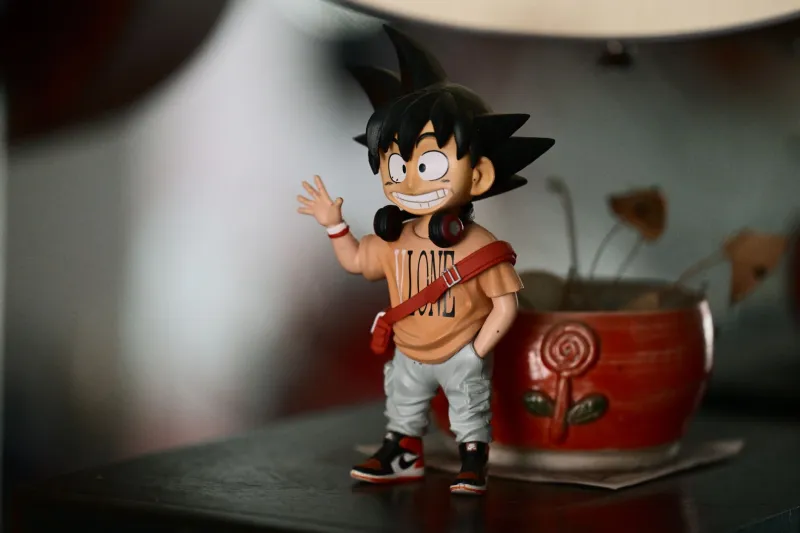
But the revenue numbers only tell part of the story. The merchandise market is where things get really interesting for collectors and fans. Licensed Genshin Impact merchandise — figures, plushies, apparel, accessories — now accounts for a substantial portion of the anime merchandise market in the US. Good Smile Company's Genshin figure lines consistently sell out during pre-order windows. Third-party artists and small studios are building entire businesses around fan merchandise for these franchises.
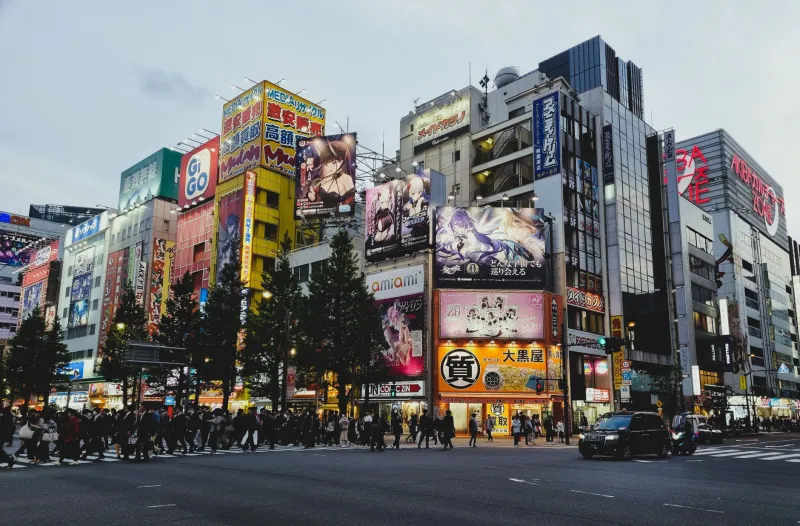
For a site like Akihabara Shop, this shift has been dramatic and exciting. Categories that would have been considered hyper-niche five years ago — acrylic standees, character tapestries, limited gacha-game collaboration items — are now among the most-searched products we carry. The audience for this stuff isn't a subculture anymore. It's a market.
The Road Ahead: Sustainability and What Comes Next
Not everyone is optimistic about the long-term trajectory. Critics of the gacha model — which relies on randomized character acquisition through paid pulls — have raised legitimate concerns about predatory spending mechanics, particularly for younger players. Several US states have begun examining gacha mechanics through the lens of gambling regulation, and the industry is watching those conversations carefully.
There's also the question of market saturation. With dozens of anime-styled games competing for the same player base, not all of them will survive. The franchises that build genuine emotional connections with their communities — through compelling characters, regular content updates, and robust merchandise ecosystems — will outlast those that rely purely on gacha mechanics to retain players.
But the broader cultural shift? That's not going anywhere. A generation of American gamers has grown up with anime aesthetics as a default visual language rather than an exotic import. For them, a beautifully designed anime character isn't niche — it's just good art. That normalization is the most significant long-term development in this whole story, and its implications for the gaming industry, the collectibles market, and American pop culture broadly are still unfolding.
Akihabara's influence on American consumer culture was always going to grow as the generations raised on anime reached adulthood and spending power. What nobody quite anticipated was how fast it would happen — or how completely it would reshape the cultural mainstream in the process.
The mainstream moment nobody saw coming is here. And honestly? It's just getting started.