One More Pull: The Hidden Psychology Draining Gacha Players Dry — And How to Fight Back
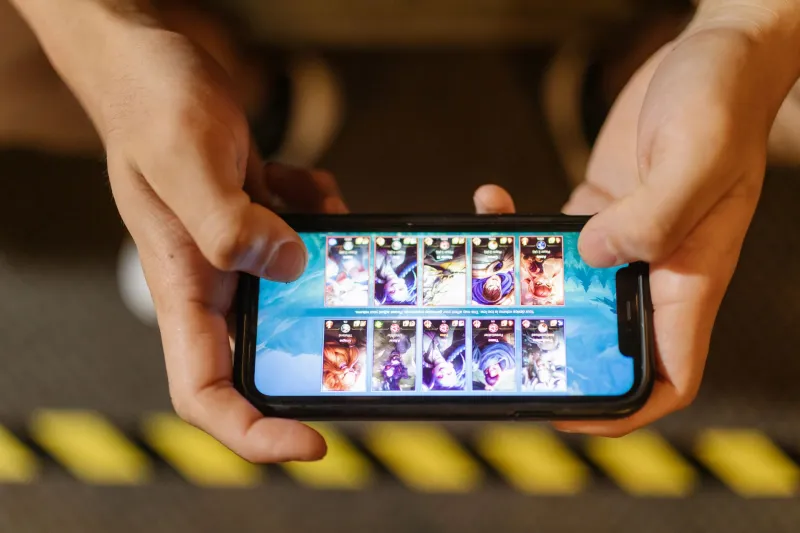
You just spent $40 on a ten-pull banner in Genshin Impact. The animation plays. You hold your breath. A purple flash — another four-star dupe. You already own three of them. Your finger hovers over the "pull again" button before your brain has even fully processed what happened.
If that sequence sounds uncomfortably familiar, you're not alone. Gacha gaming — the mobile game monetization model borrowed from Japan's capsule toy vending machines — has exploded across the American market, and it's taking wallets with it. According to Sensor Tower data, the top gacha titles routinely generate hundreds of millions of dollars annually from US players alone. Fate/Grand Order, Blue Archive, Honkai: Star Rail — these aren't niche imports anymore. They're mainstream money machines. And understanding exactly why they work so well is the first step toward not getting burned.
What Even Is Gacha, Really?
For the uninitiated: gacha systems are essentially randomized loot boxes tied to a game's progression or collection mechanics. Players spend in-game currency — purchased with real money or earned through gameplay — on randomized "pulls" that might yield powerful characters, rare weapons, or exclusive cosmetics. The rarest rewards typically sit behind astronomically low drop rates, sometimes as low as 0.6%.
The term comes directly from gachapon, those iconic Japanese vending machines that dispense surprise toys in plastic capsules. Walk through any Akihabara side street and you'll see walls of them. The physical version is charming, tactile, and capped by how much cash you're willing to stuff into a machine. The digital version? It has no such natural ceiling.
Most modern gacha games have adopted a "pity" system — a guaranteed high-rarity drop after a set number of pulls — which sounds consumer-friendly until you realize it's also a guaranteed spending target the game hands you. You know the five-star is coming at pull 90. So you spend toward it.
The Psychology Behind the Pull
Dr. Jamie Madigan, a gaming psychologist and author of Getting Gamers, has spent years studying why players hemorrhage money on randomized reward systems. The core mechanism, he explains, is variable ratio reinforcement — the same psychological engine that powers slot machines.
"Variable ratio schedules are the most powerful reinforcement schedules we know of," Madigan notes. "When you don't know exactly when the reward is coming, you keep pulling the lever. Gacha games are essentially slot machines dressed in anime art."
But it goes deeper than pure gambling psychology. Gacha games layer in several additional hooks that are particularly effective on the anime and Japanese gaming fanbase:
Character attachment. These aren't abstract card draws. They're beloved characters from IP you already care about, rendered in gorgeous art with full voice acting. Missing a limited Rin Tohsaka banner in FGO doesn't feel like losing a random prize — it feels like losing a piece of something personal.
FOMO and limited banners. Time-limited character releases create genuine scarcity. Unlike physical collectibles where you might eventually find a figure on the secondary market, a gacha character that rotates off a banner could be gone for a year or longer. That urgency is engineered.
Sunk cost escalation. Once you've spent $30 chasing a character, stopping at $30 feels like wasting that $30. So you spend $50 more. Then $80. Psychologists call this the sunk cost fallacy, and gacha games are architecturally designed to exploit it.
Social pressure. Guild systems, cooperative raids, and leaderboards mean your roster is visible to other players. Showing up to a co-op fight without meta units carries social weight in tight-knit communities.
How Much Are Americans Actually Spending?
The numbers are genuinely staggering. A 2022 LendingTree survey found that nearly one in five mobile gamers in the US had spent more than $500 on in-app purchases, with a significant chunk of those players attributing the bulk of that spending to gacha mechanics. Reddit communities dedicated to games like Genshin Impact and Arknights regularly feature posts from players who've crossed the $1,000, $5,000, or even $10,000 threshold — sometimes framed with a mix of pride and visible regret.
The industry term for the highest-spending players is "whales," and gacha economics are explicitly built around them. A relatively small percentage of players generate a disproportionate share of revenue. The rest of the playerbase — the "dolphins" and "F2P" (free-to-play) players — provide the social ecosystem that keeps whales engaged. Everyone is part of the machine.
Red Flags to Watch For
Not all gacha games are created equal. Some are genuinely generous with their free currency systems; others are predatory from the jump. Here's what to look for before you start spending:
- Obscured odds: Legitimate titles are increasingly required to disclose pull rates (China mandates this; Japan has industry guidelines). If a game buries or hides its drop rates, walk away.
- No pity system: Any gacha without a hard pity counter is a massive red flag in 2024.
- Pay-to-win mechanics: If spending money directly translates to competitive advantage — not just cosmetics or collection — the monetization model is designed to pressure you.
- Aggressive limited-time offers: Pop-ups the moment you log in, countdown timers on bundles, "starter packs" that expire in 24 hours — these are manufactured urgency tactics.
Playing Smart: A Practical Gacha Budget Guide
Here's the thing — gacha games can be genuinely fun. The art is often stunning, the stories are frequently engaging, and for fans of Japanese IP, they offer access to characters and worlds that don't exist anywhere else. The goal isn't to swear them off entirely. It's to engage on your terms.
Set a hard monthly cap before you ever open your wallet. Decide your number — $10, $20, whatever fits your actual budget — and treat it like a subscription fee. Once it's gone, it's gone. No exceptions for "just this banner."
Use the free currency first, always. Most gacha games drip-feed enough free pulls to let you experience the system without spending. Play F2P for at least a month before considering any purchases. You'll get a realistic sense of the drop rates.
Identify your "why." Are you spending because you genuinely love the character, or because the game made you feel like you'd miss out? That distinction matters. Spending $10 because you adore a character is a fan purchase. Spending $80 because a countdown timer made you panic is a manipulation response.
Treat limited banners as optional. This is the hardest one. But limited characters almost always return eventually, and even when they don't, the game remains playable without them. Missing a banner is not a crisis.
Talk to your community. Subreddits and Discord servers for specific gacha titles are full of veteran players who know exactly which banners are worth chasing and which are traps. Use that collective knowledge before you spend.
The Bigger Picture
The gacha conversation is slowly gaining regulatory attention in the US. Several states have proposed legislation around loot box mechanics, and the FTC has increased scrutiny of in-app purchase practices targeting younger players. Some publishers — notably Cygames and miHoYo — have voluntarily improved their transparency and pity systems in response to player backlash.
But regulation moves slowly, and in the meantime, the games keep rolling out new banners every few weeks. The responsibility for smart spending sits largely with the player.
For collectors and anime fans, gacha occupies a weird middle ground — it's not quite merchandise, not quite a traditional game. It's a hybrid that borrows the emotional pull of collecting physical figures and the engagement loops of live-service gaming. That combination is genuinely powerful. It's also worth understanding clearly before your credit card statement arrives.
Know the mechanics. Set your limits. And maybe — just maybe — step away from the pull button before that tenth ten-pull.