Nobody Grows Out of Loving Things: In Defense of the Adult Anime Gaming Collection
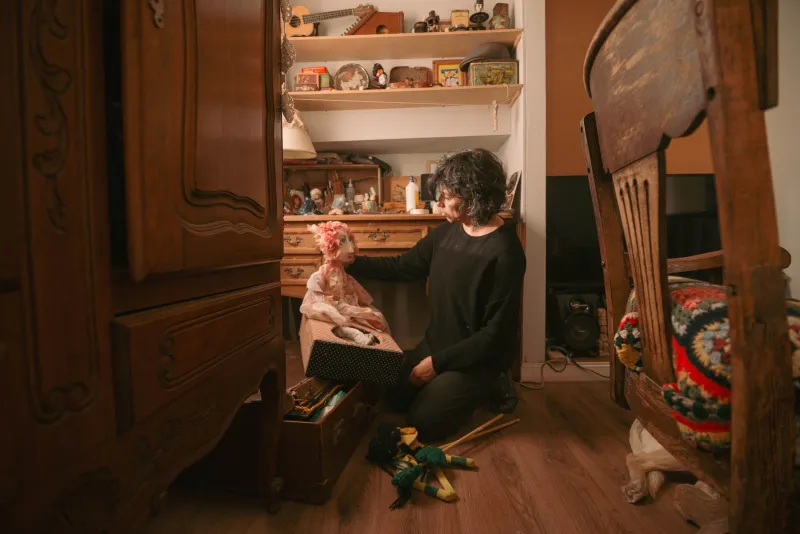
There's a specific moment every adult collector knows. You're explaining your shelf to someone — a coworker, a relative, a date — and you catch yourself doing the thing. The preemptive self-deprecation. The "I know, it's silly" disclaimer tacked on before they can say it. The laugh that's really a flinch.
I'd like to formally retire that flinch. Because the case for adult collecting isn't just defensible — it's strong. And it deserves to be made without apologizing first.
The Shelf Is a Memoir You Can Point At
Ask collectors what their shelves mean and you'll rarely hear "stuff." You'll hear stories. The Persona figure from the year they got through a brutal stretch of depression. The small plush from the convention where they met their best friend. The soundtrack CD that played on repeat during a cross-country move.
Psychologists who study collecting describe objects as "identity anchors" — physical touchstones that help us hold onto who we were and who we wanted to be. Adults don't collect anime gaming merch because they failed to grow up. They collect because memory is slippery, and tangible things hold it better than photos do. Every society on earth does this; we just call it memorabilia when it's baseball and merch when it's anime.
The Community Nobody Sees
The other half of the case is social. American fandom has quietly built one of the most generous collector cultures around — the trading threads, the convention hall gossip, the Discord servers where someone will absolutely help you identify whether that badge is a bootleg. For adults who've aged out of the easy friendship engines of school and early jobs, these spaces matter. A collection is often just the visible evidence of a community.
I've lost count of the testimonials that follow the same arc: person feels isolated, joins a collector community, finds their people. The shelf came second. It usually does.
Fine. But When Is It a Problem?
An honest defense has to include the honest caveats, because the hobby can tip. The warning signs are consistent across every collecting community:
- Financial strain. If purchases are causing debt, missed bills, or secrecy with a partner, that's not fandom — that's compulsion wearing fandom's jacket.
- Emotional dependence. The collection shouldn't be the only source of joy or the primary buffer against difficult feelings.
- The treadmill effect. Buying for the dopamine of the purchase rather than the item, then feeling empty when it arrives.
- Social replacement. If the shelf has crowded out the people, the collecting has inverted its own best purpose.
None of these describe the typical collector. Most adults in this hobby spend responsibly, display proudly, and know exactly why each piece is there. But pretending the failure modes don't exist would make this piece as dishonest as the stigma it's arguing against.
The Stigma Is Just a Generational Time Stamp
Here's the thing about "grow out of it" culture: it's already losing. The adults filling Target's anime aisles, the ones restoring arcade cabinets in their garages, the thirty-somethings comparing acrylic stands at work — they're not an aberration. They're the vanguard of a normalization that's already happened demographically, even if it lags culturally.
Video games went through this exact cycle. So did comic books. Both got old enough, collectively, that the shame stopped making sense. Anime gaming is on the same curve, and every collector who answers the "isn't that childish?" question with a straight face and a real answer moves the curve forward a little.
So build the shelf. Point at it. Tell the stories. You're not refusing to grow up — you're just one of the adults who understands that growing up was never supposed to mean caring about less.