The Merch That Never Made It: Inside the World of Anime Collectibles Blocked from Western Markets
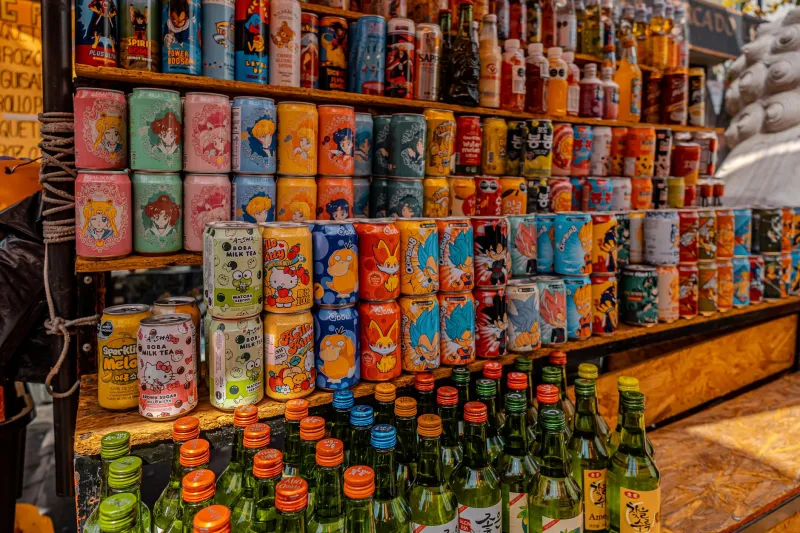
Walk through Akihabara on any given afternoon and you'll see merchandise that American fans can only dream about owning through official channels. Figures with character designs that were quietly altered for Western releases. Dakimakura covers that never got a US distributor. Doujinshi from beloved franchises sitting in bins at specialty shops, completely inaccessible to anyone who doesn't know how to navigate a Japanese import proxy. Some of this stuff is kept out for boring legal reasons. Some of it is kept out for reasons that say a lot about how Japanese publishers and their Western licensees view the American market.
The result is a thriving underground of collectors, gray-market importers, and fan networks doing whatever it takes to get their hands on the stuff that the official pipeline refuses to carry.
Why Some Merch Never Gets a Western Release
The most common culprit is licensing fragmentation. A Japanese publisher might hold the rights to manufacture merchandise domestically, but those rights don't automatically extend to international markets. Selling in the US requires either a separate licensing agreement with a Western distributor or the publisher handling international sales directly — and a lot of smaller Japanese manufacturers simply don't bother. The market size doesn't justify the legal overhead.
For mid-tier franchises, the math often doesn't work. A niche anime game might have a passionate US following of a few thousand collectors, but that's not enough to make a Western licensing deal attractive to a manufacturer whose domestic sales are already profitable.
Then there's content. Western licensees — and increasingly, Western storefronts and payment processors — have become significantly more conservative about what they'll carry. Figures depicting characters in ways that might draw regulatory scrutiny or social media backlash get quietly shelved. This isn't always the Japanese manufacturer's call. Sometimes a Western distributor acquires the license and then refuses to bring over certain SKUs from the Japanese catalog.
The result is a kind of invisible censorship that most casual fans never notice. The figure exists. It sold well in Japan. American collectors just can't get it through any official channel.
The Regional Lock Problem
Game merchandise tied to region-locked releases creates its own category of frustration. When a Japanese game gets a limited physical release with exclusive figures or art books bundled in, and that game never gets a Western physical release at all, American fans are completely locked out through normal retail. The merchandise was never designed to travel.
This hits especially hard in the visual novel and RPG space, where niche titles sometimes get beautiful collector's editions in Japan — hardcover art books, resin figures, soundtrack CDs — while Western fans get a digital-only release with no physical component whatsoever.
How Collectors Are Getting Around It
The gray market for blocked or unavailable anime merch operates on a spectrum from totally legal to legally murky.
At the clean end, individual collectors use proxy buying services to purchase directly from Japanese retailers and import for personal use. Customs duties technically apply, but personal-use imports rarely trigger scrutiny. This is how a huge percentage of exclusive Japanese merchandise reaches American shelves — one order at a time.
Fan communities on Discord and Reddit have built sophisticated networks around this. Group buys — where a community organizer aggregates orders to hit minimum quantities or reduce per-unit shipping costs — have become a standard part of how niche anime gaming communities source hard-to-find items. These groups share proxy service recommendations, flag new releases, and coordinate bulk shipments.
At the grayer end of the spectrum, some merchandise that was never officially licensed for Western sale gets sold through secondary markets like eBay or Mercari by individuals importing in small quantities. Technically, reselling imported goods isn't inherently illegal in the US, but it can violate the terms of service of some proxy services and can create complications if the goods infringe on trademarks held by Western licensees.
The Bootleg Problem
Here's where things get genuinely complicated. The demand for unavailable merchandise creates a market that counterfeiters are more than happy to fill. Bootleg figures of popular characters — especially from franchises with limited Western distribution — have flooded secondary markets. Some of these fakes are crude enough that experienced collectors can spot them immediately. Others are disturbingly good.
The communities sourcing gray-market legitimate imports are often the same communities fighting hardest against bootlegs, because fakes undermine the entire ecosystem. Shared authentication guides, side-by-side comparison photos, and blacklists of known counterfeit sellers circulate constantly in collector Discord servers.
Manufacturers are aware of the problem but enforcement is genuinely difficult. Takedown notices against individual eBay listings are a game of whack-a-mole. Some manufacturers have started including holographic authentication stickers or QR-coded certificates of authenticity specifically because the gray market has made verification harder.
The Cat-and-Mouse With Publishers
Some Japanese publishers have taken notice of Western gray-market demand and started responding — but not always in the ways fans want. A few have begun geo-blocking their Japanese online stores to prevent proxy service addresses from completing purchases. Others have limited quantities per order to make bulk importing less viable.
At the same time, a handful of publishers have gone the opposite direction, quietly expanding international shipping on their own storefronts after seeing the volume of proxy-mediated orders. The message from fans is hard to ignore: there is real demand here, and someone is going to capture it.
For American collectors navigating this landscape, the practical reality is that patience, community knowledge, and a reliable proxy service are the three tools that matter most. The official pipeline isn't going to fix itself overnight. Until publishers and Western licensees catch up to where fan demand actually is, the underground network isn't going anywhere.