From Import Crate to Endcap: The Quiet Takeover of America's Retail Aisles by Anime Gaming Merch

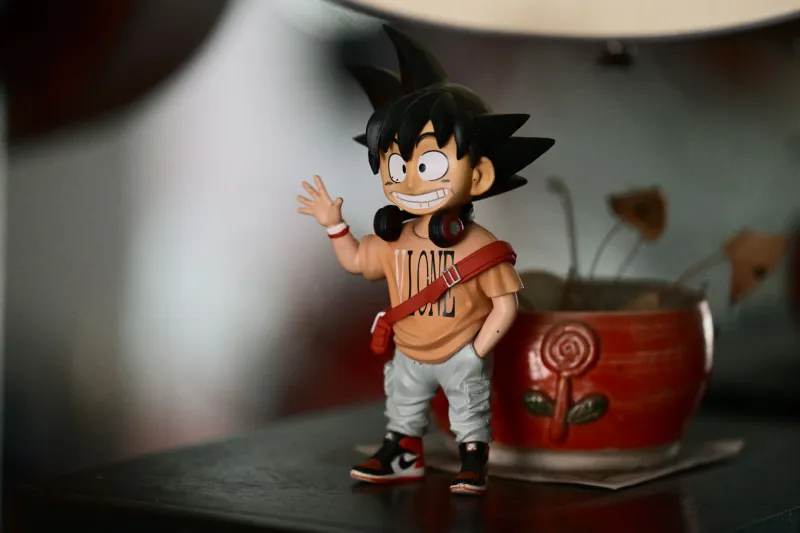
Ten years ago, if you wanted a proper piece of anime gaming merch in the United States, you had three options: fly to Japan, navigate a proxy shipping service, or drive hours to the one convention dealer room within reach. Today you can grab a Persona acrylic stand while picking up groceries at Target.
That shift didn't happen by accident. It's the result of a decade of demographic movement, supply chain rewiring, and retailers finally noticing what specialty shops had been screaming about since the early 2010s.
The Numbers That Made Buyers Sit Up
Retail buyers are not romantics. They stock what sells, and the data finally made the case undeniable. Anime has grown into a multi-billion-dollar US market, with Gen Z and younger millennials driving a disproportionate share of spending. Industry trackers have consistently shown that a majority of American Gen Z consumers engage with anime in some form — and crucially, they spend on it.
GameStop, once a beleaguered symbol of mall-retail decline, pivoted hard into collectibles and now dedicates significant floor space to anime gaming properties. Hot Topic went from a handful of Naruto tees to full franchise walls. Even Target, the ultimate mainstream bellwether, began testing dedicated anime sections — and when those tests outperformed, the sections stayed and grew.
From Licensing Logjam to Licensing Gold Rush
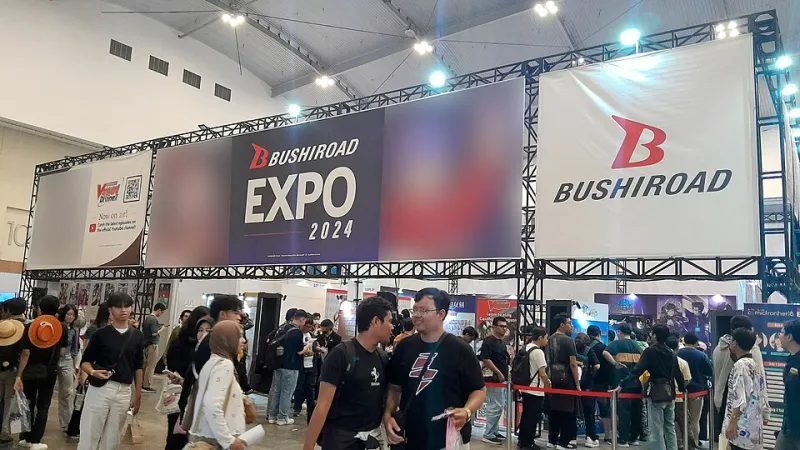
Part of the story is upstream. Japanese rights holders, historically cautious about Western distribution, watched demand explode and adjusted. Companies like Bandai Namco, Aniplex, and Bushiroad expanded direct US operations, cutting out layers of import middlemen. That meant mainstream retailers could finally access authentic product at margins that made stocking it worthwhile.
The pandemic accelerated everything. With conventions dark and specialty import shops struggling, big-box retail became an accidental lifeline for fans — and retailers discovered that anime gaming goods carried margins and sell-through rates that beat a lot of traditional toy categories.
What the Buyers Say
Talk to people who've worked retail buying in this space, and a consistent theme emerges: anime gaming merch behaves differently than licensed goods of the past. It's not impulse-driven novelty. Fans come in hunting specific characters and franchises, which means the merch sells on knowledge rather than shelf placement. A buyer who understands that Goku and Goku Ultra Instinct are different SKUs to this audience can curate an aisle that prints money. One who can't ends up with dead stock.
That knowledge gap is exactly where specialty shops still win. Independent import stores and online specialists like us offer depth — the prize figures, the soundtracks, the obscure character variants — that no Target endcap will ever carry. Mainstream retail takes the top of the funnel; specialty takes the enthusiasts.
The Pricing Question
Here's where it gets interesting for collectors. Mainstream stocking has a double-edged effect on prices. On one hand, wider distribution means more competition and fewer opportunities for scalpers to corner supply on popular lines. On the other, when a big retailer secures an exclusive, it can distort the aftermarket overnight.
The net effect, most analysts agree, is a healthier market at the entry level. The $20–$50 tier has never been more accessible to American fans. The scarcity premium has migrated upward, to limited editions and event-exclusive items — which, arguably, is exactly where it belongs.
Accessibility Is the Real Story
Strip away the business analysis and the meaning is simple: a kid in a small town in Ohio can now walk into a store and buy something from a franchise that would have been invisible in their community a decade ago. Fandom used to require insider knowledge, connections, and money. Increasingly, it just requires interest.
That's a net win — for fans, for the industry, and yes, even for the specialty shops, because every casual fan who grabs a keychain at Target is a potential collector who eventually wants the real thing. We'll be here when they do.