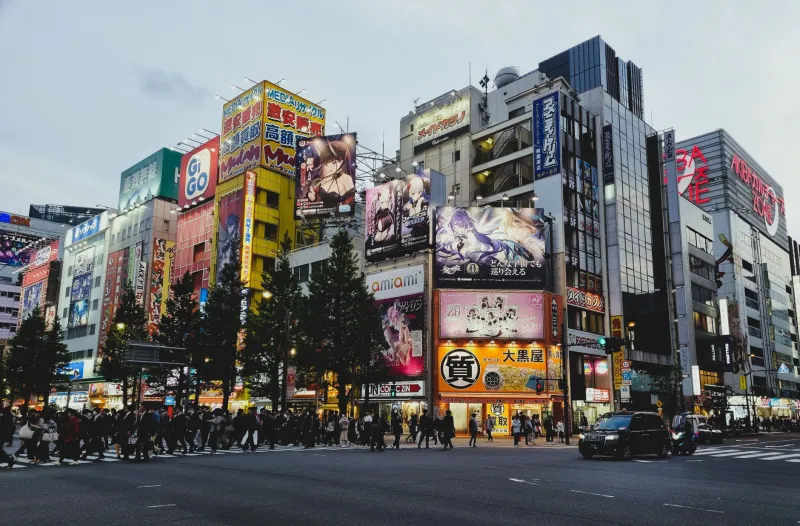
Akihabara in Your Backyard: How American Fans Are Bringing Tokyo's Electric Town Home
Anybody who's ever scrolled through travel vlogs of Akihabara knows the feeling — that specific mix of envy and wonder watching someone wander through neon-lit streets stacked floor-to-ceiling with figures, doujinshi, and retro cartridges. For most American fans, a trip to Tokyo's Electric Town stays firmly in the "someday" category. Flights are expensive, schedules are brutal, and life has a way of getting in the way of dream vacations.
But here's the thing: the Akihabara spirit has been quietly migrating west for years. And in 2024, the stateside version of that experience is more accessible — and more authentic — than it's ever been.
What Makes Akihabara, Well, Akihabara?
Before you can recreate something, it helps to understand what makes it special in the first place. Akihabara isn't just a shopping district. It's a sensory environment — the smell of freshly printed manga, the sound of rhythm game machines spilling out of arcades, the sight of hand-painted storefront signs advertising rare collector's editions. It's a community hub where fans of every stripe coexist without apology.
For American enthusiasts, that combination of immersive retail, shared fandom culture, and unapologetic nerdery hits a very specific emotional note. It's the feeling that your obsessions are not only welcome but celebrated. That's the thing worth chasing, whether you're in Chiyoda or Chicago.
Conventions: The Closest Thing We've Got
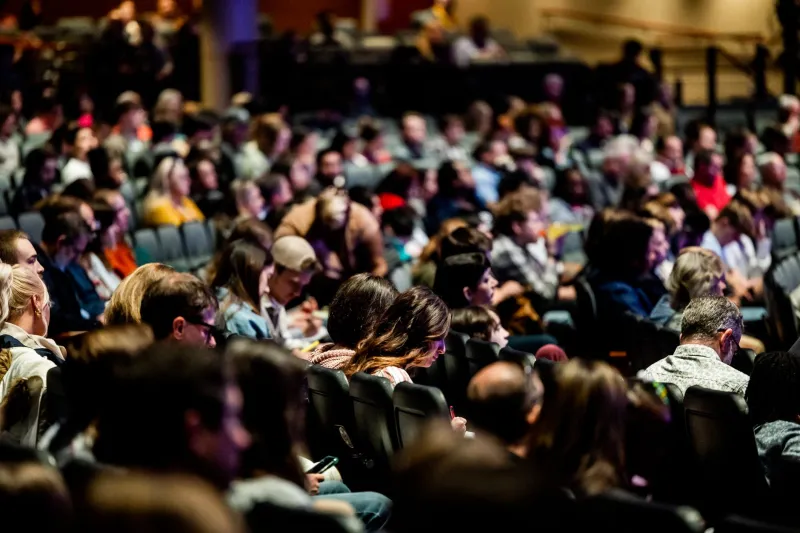
Let's be honest — anime conventions are the most obvious American analog to the Akihabara experience, and for good reason. Events like Anime Expo in Los Angeles, Otakon in Washington D.C., and Anime NYC pull tens of thousands of attendees who are, collectively, trying to do exactly what Akihabara does naturally: create a concentrated space where Japanese pop culture is the entire point.
The dealer's halls at these events have gotten genuinely impressive. You'll find licensed merchandise, indie artists selling original prints, import specialists hawking items that would otherwise require a proxy service, and the occasional surprise pop-up from Japanese brands testing American waters. If you time it right and budget accordingly, a weekend at a major anime convention scratches a lot of the same itches as a day in Electric Town.
Smaller regional cons are worth your attention too. Events like Matsuricon in Ohio or SacAnime in California often have a tighter, more community-focused vibe — closer to the neighborhood feel of Akihabara's side streets than the overwhelming scale of a big-box convention floor.
Maid Cafes Are More Common Than You'd Think
One of Akihabara's most iconic exports — the maid cafe — has found a surprisingly firm foothold in American cities. These themed dining experiences, where staff dress in classic maid or butler costumes and treat guests as "masters" or "mistresses," have popped up in cities including Los Angeles, New York, Houston, and Seattle.
Many of them operate as convention events rather than permanent locations, which actually makes them more accessible in some ways — you don't need to be in a major metro to experience one. Organizations like Maid Cafe USA have run pop-up events across the country, and plenty of local anime clubs have started hosting their own DIY versions at community spaces and college campuses.
The quality varies, obviously. But the best of these events nail the core appeal: a welcoming, playful atmosphere where the goal is pure fan enjoyment, not commercial efficiency.
The Online Layer: Discord, Streaming, and Virtual Hauls
Akihabara was always as much about community as commerce, and online spaces have become a genuinely powerful substitute for the social dimension of the experience. Discord servers dedicated to specific fandoms, import collecting, or Japanese gaming culture have millions of combined members who share haul photos, coordinate group orders, and debate the finer points of figure quality with the same intensity you'd find in any Akihabara shop.
Streaming has added another layer. Content creators who do live "shopping streams" — walking through Akihabara stores in real time, taking viewer requests, and showing off finds — have built massive audiences among fans who want to participate in the discovery experience without booking a flight. It's parasocial in the best possible way: you're not just watching someone else shop, you're along for the ride.
For collectors specifically, platforms like MyFigureCollection have created detailed, searchable databases that function almost like a virtual version of browsing shop shelves — complete with user reviews, price history, and community ratings.
Local Shops Keeping the Flame Alive
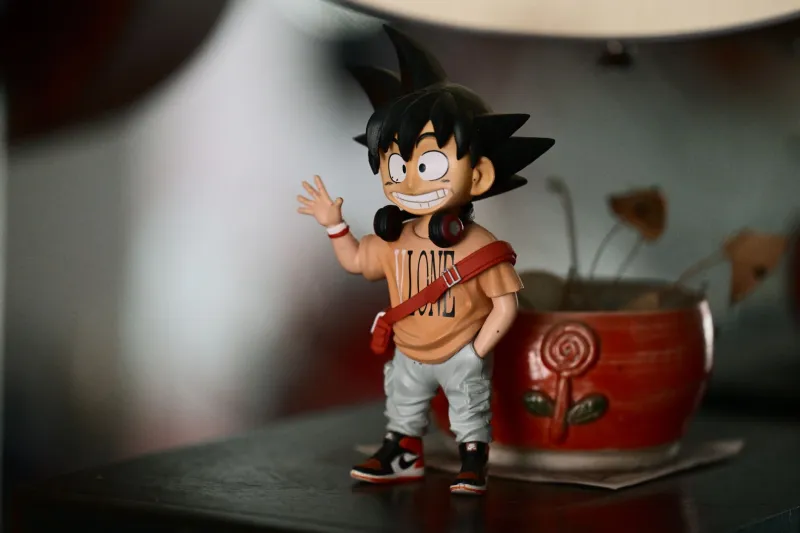
Beyond conventions and online communities, a growing number of brick-and-mortar stores across the US have made it their mission to channel Akihabara's retail energy into a physical space. Stores like Kinokuniya (with locations in New York, Los Angeles, Seattle, and other cities) stock Japanese manga, magazines, and merchandise with a depth that rivals many Tokyo shops. In cities with larger Japanese-American communities, you'll often find specialty retailers that carry import figures, gaming goods, and doujinshi alongside everyday items.
The key, if you're hunting for these spots, is to look beyond the obvious. Japanese grocery stores sometimes stock a surprisingly solid selection of character goods. Asian-owned bookshops frequently carry manga volumes that never got an English release. And game stores specializing in imports — yes, they still exist — can be absolute goldmines for retro collectors.
Building Your Own Akihabara Ritual
Part of what makes Akihabara so memorable for visitors is the ritual of it — the habit of hitting specific shops in a specific order, the anticipation of what might be new this week, the sense of being a regular in a place that rewards loyalty with rare finds. You can build that same ritual at home, even if the geography looks different.
Maybe that means setting aside Saturday mornings for browsing your favorite import sites, participating in monthly online figure lotteries, or making a point to attend every local con within driving distance. Maybe it means joining a watch party community that does seasonal anime premieres together, or starting a small trading group with friends who share your collecting interests.
The electric energy of Akihabara isn't really about the location. It's about being surrounded by people who care about the same things you do, in an environment designed to celebrate that shared enthusiasm. That's something you can cultivate anywhere — and honestly, the American fan community has been doing exactly that for decades.
The plane ticket would still be worth it, obviously. But in the meantime? Your backyard version of Electric Town is closer than you think.