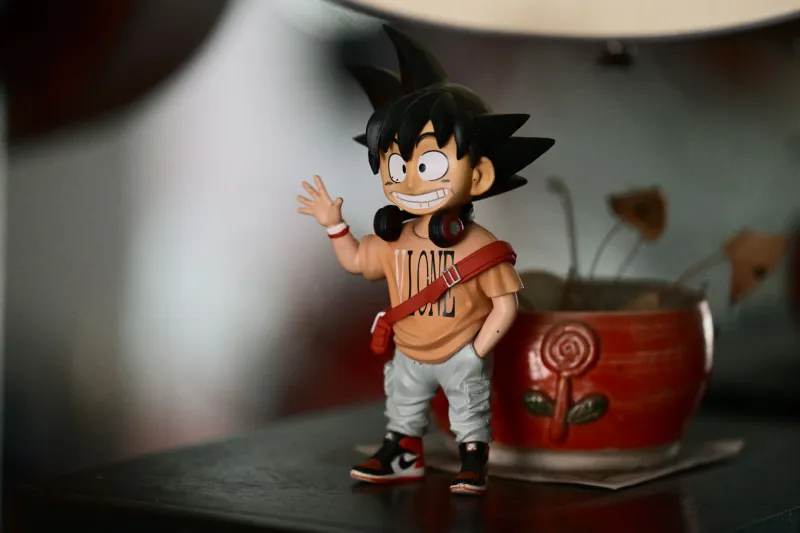
The Set That Never Was: Grieving the Anime Figure Lines That Died Before the Good Part
Photo: Didier Descouens, Public domain, via Wikimedia Commons
Let me tell you about the hole on my shelf.
It's between the two figures I own from a now-defunct line — the protagonist in his season-one outfit and the rival in his mid-series form. The space between them was always meant for the third character. The one who shows up in the finale. The one whose figure was announced, teased with a grainy prototype photo at Wonder Festival, and then quietly deleted from the manufacturer's website eighteen months later.
If you collect anime figures long enough, you have a version of this story. And I think we should talk about it honestly, because the industry treats these abandoned lines as a rounding error while collectors treat them like unfinished sentences.
Why Lines Die Mid-Arc
The economics of figure production are brutal and unforgiving. A scale figure takes 12 to 24 months from sculpt to shipment. Manufacturers license characters based on how hot a franchise is at the moment of signing — not where it'll be when the figure actually ships.
So when a show's popularity cools, or a licensing deal lapses, or a company restructures, the unproduced characters die with it. The anime might run four cours; the figure line might cover one. The fan-favorite side character who explodes in popularity in season two? Often locked behind licensing terms signed before anyone knew they'd matter.
There's also a structural bias worth naming: manufacturers prioritize characters with proven merch sales. Safe picks get made. The weird, beloved, late-arriving characters — the ones collectors actually beg for — are the first cut when budgets tighten. US-focused lines get it worst of all, since North American sales projections are often the thinnest data in the room.
The Aftermarket Reckoning
Once a line is officially dead, the only path to completion runs through the secondary market, and it is not kind.
Discontinued figures from popular franchises routinely list at two to five times retail on US resale platforms. The rarest ones — limited event exclusives that never hit general distribution — can dwarf even that. And here's the cruel part: the figures most likely to appreciate are precisely the ones the manufacturer stopped making, because scarcity plus nostalgia is the most volatile combination in collecting.
The community has developed its own survival strategies:
- Yahoo Japan auctions via proxy often beat US resale prices, even after shipping and fees.
- Set-buying and splitting — buying an entire lot with friends and dividing the figures — can dilute the cost of one grail.
- Mandarake and Surugaya (Japanese secondhand chains with online stores) frequently price discontinued figures near retail if you're patient.
Patience is the real currency. Impulse is how a $90 figure becomes a $300 one.
Is Completing a Dead Set Worth It?
Here's my honest, conflicted answer: usually no — and I say that as someone who keeps checking listings anyway.
The completionist urge is real and understandable. A finished set feels like justice for a line the industry abandoned. But chasing discontinued figures means paying scalper-inflated prices for a product the manufacturer already decided wasn't worth making. Every inflated resale purchase also tells the industry that scarcity pricing works, which encourages more of it.
There's a healthier reframe gaining ground in collector communities: the unfinished set as a feature, not a failure. Some collectors build display arrangements that deliberately honor the gap — a printed illustration of the unmade character, a nendoroid from a different line standing in, or simply the empty space as a monument to the one that got away.
My hole on the shelf? I've stopped bidding on the aftermarket listings that appear every few months at increasingly absurd prices. Instead, there's a small acrylic stand of the character printed from fan art, standing where the figure should be.
Is it the same? No. But it cost twelve dollars, it supports an artist, and it makes the point better than any resale receipt could: the line ended, but the fandom didn't need the manufacturer's permission to continue.